Rain151 mm in March, 2 mm in July5.9 inches in March, 0.1 inches in July
Peak seasonShoulder seasonLow season
Bars show daily visitors as a share of July, the busiest month on average. A full drop is 400 mm of rain in a month, on every page.A full drop is 15.7 inches of rain in a month, on every page.
Huaraz in January
Low season
38%of July’s daily visitors
22° / 8°72° / 47°day and night, °C°F
101 mm4.0 inof rain
Sunrise
6:00 am
Sunset
6:35 pm
Daylight
12 h 35 min
Mid-month times for a level horizon. Mountains hide the sun for longer.
Rain on about half the days; few trekking operators run. Carnaval Huaracino starts around January 29, 2027 (estimated).
Jan 29 to Feb 10Carnaval Huaracino. Parades in traditional Áncash dress, masked comparsas for Ño Carnavalón, satirical bandos, Martes guerra water-and-paint street battles, and the Rey Momo burial on Ash Wednesday. Dircetur expected about 5,000 national and foreign tourists in 202010.
Mar 21 to 28Semana Santa (Holy Week). Huaraz's Holy Week processions (articulated colonial Christ, dawn procession) and a national long weekend, Holy Thursday to Easter Sunday, March 25 to 28. In normal years bookings exceed 80% and hotels post no-vacancy signs, according to the hotel association7; Áncash expected about 113,000 visitors for Holy Week 20269. Park visits jump in the Holy Week month (42,036 in April 2019).
May 1 to 4Señor de la Soledad (Huaraz patron festival). Processions of the Señor de Mayo image through Huaraz, Shacshas and other traditional dances, music and fireworks; central day May 3, with a second stage later in May.
Jul 28 to 29Fiestas Patrias. National holidays; Peruvians travel to Huascarán National Park, Llanganuco, Laguna 69 and Pastoruri. SERNANP counted 22,867 park visitors over the 2019 Fiestas Patrias long weekend, up 182%2; July is the park's busiest month1.
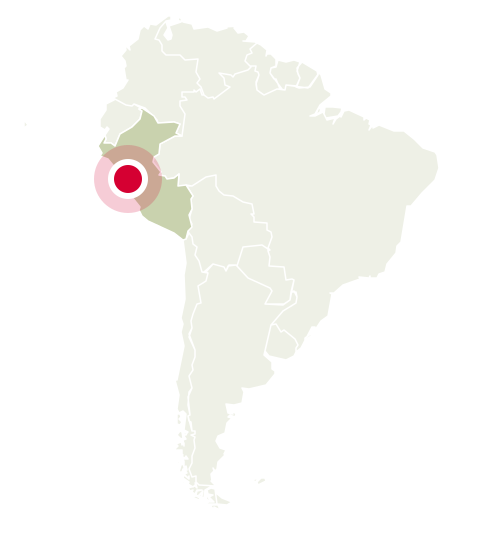
Where it is
In PeruTrekking and day hikes to glacial lakes and passes in Huascarán National Park (Laguna 69, Santa Cruz, Llanganuco) and the nearby Huayhuash, plus mountaineering, best in the dry season.
Combine it with
Places that travel publishers pair with Huaraz. The dots mark the months when both are in shoulder season.
Laguna 69 and Nevado Pisco only with SERNANP-contracted agencies
Since February 2026 visits to these two Llanganuco-sector routes are restricted to companies with a valid SERNANP service contract, which buy digital tickets on SERNANP's platform. Laguna Chinancocha still sells tickets directly to visitors.
Park entry fee
2026 tariff reported as S/30 one day, S/60 two to three days, S/150 four to 30 days for foreigners (S/12, S/30, S/75 for Peruvian adults); amounts called referential. We have not found these amounts on SERNANP's own page.
No swimming in the lakes
Bathing in the park's lagoons is prohibited.
Mountaineering permits
Climbing glaciated peaks requires a certified mountain guide and special SERNANP permission.
Book ahead (3)
Laguna 69 day tour
Book through a SERNANP-contracted agency; the agency buys the park ticket. Tours leave Huaraz around 5:00 to 5:30 a.m.
Park ticket for other sectors
Travelers advise: Before the visit
Buy online on SERNANP's Tu Ticket platform or pay at the sector checkpoint (garita); buying online avoids the lines in peak season.
Holy Week lodging
In normal years Holy Week bookings in Áncash exceed 80% and hotels post no-vacancy signs; no lead time given.
Closures (2)
Most multi-day trekking and mountaineering departures
December to March, every year
Few operators run treks December to April; agencies start shutting down late October; technical climbs such as Alpamayo were not available in October. Day hikes such as Laguna 69 continue. Based on traveler reports only.
Nevado Pisco temporary restriction
SERNANP placed a temporary conservation restriction on Nevado Pisco and controls its ticket sales from April 1, 2026; end date not given.
Rules, fees and closures can change. Check the official site before you go:
The seasons come from official monthly visitor counts. In all, 35 sources back the seasons, dates and rules.
How we pick the months
Our pick is usually the months just outside the peak: the weather is good, there are fewer people and prices are often lower. Missing the biggest crowds and the harshest weather makes for a better trip. When the reason to go happens only at the peak, the pick follows it. The seasons come from comparing official visitor counts, where they exist, weather records and many guides, news reports and traveler accounts, and they follow where those sources agree.
Checked November 2026. Visitor numbers are checked every quarter; next update January 2027.
Weather: station normals as published in Wikipedia climate tables (originally from national weather services); ERA5 reanalysis from the Copernicus Climate Change Service via Open-Meteo (CC BY 4.0).
Spotted something out of date?
Prices, rules and dates change. Tell us and we’ll check it against the source.