April, after the Easter rush (Easter is March 28 in 2027): the crowds and the strongest winds have passed and the leaves turn gold and red in early to mid-April, though some tours and restaurants may already have closed.
EstimatedAs of November 21, 2026, from 33 sources.
Rain92 mm in April, 45 mm in November3.6 inches in April, 1.8 inches in November
Peak seasonShoulder seasonLow season
We have not found monthly visitor counts for El Chaltén, so the bars show the season, not a count. A full drop is 400 mm of rain in a month, on every page.A full drop is 15.7 inches of rain in a month, on every page.
El Chaltén in January
Peak season
18° / 8°64° / 46°day and night, °C°F
58 mm2.3 inof rain
Sunrise
6:05 am
Sunset
9:55 pm
Daylight
15 h 50 min
Mid-month times for a level horizon. Mountains hide the sun for longer.
Busiest month of the year. All tours and services run; long days. Strong west winds are common.
Mid-month times for a level horizon. Mountains hide the sun for longer.
Coldest month, about 33°F (0.5°C), with snow in the village. Very quiet; few businesses open.Coldest month, about 33°F (33°F), with snow in the village. Very quiet; few businesses open.
Jan 1 to 2Christmas and New Year. Peak of the lodging high season, inside the busiest weeks of summer. Local portal names Christmas, New Year and January as the core of high season.
Mar 25 to 28Easter week (Semana Santa). Argentine holiday travel; marks the end of the high season. kimkim (2021): Easter is a peak season when accommodation 'fills up rapidly'; park north-zone head (2023): high season runs until Semana Santa. No 2026-27 source.
Dec 24 to 31Christmas and New Year. Peak of the lodging high season, inside the busiest weeks of summer. Local portal names Christmas, New Year and January as the core of high season.
Not announcedFiesta Nacional del Trekking. Trail races (Trekkaton, Desafío de los Refugios, Bajada del Torre), climbing, music and folklore; commemorates the March 18, 1948 Fitz Roy attempt. Draws 'numerosos visitantes y competidores'; Held March 24 to 26 in 2023.
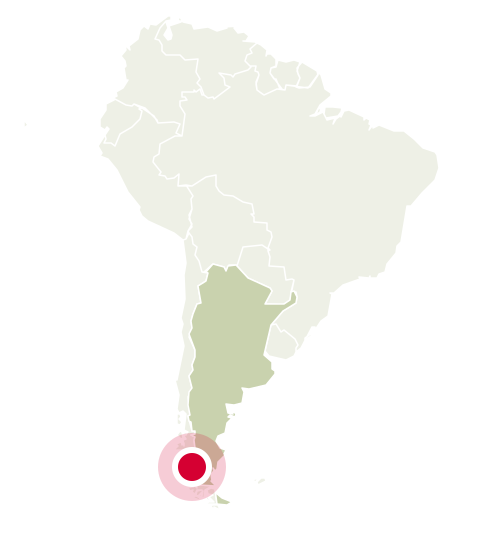
Where it is
In ArgentinaDay hikes and short treks from the village to the Fitz Roy and Cerro Torre viewpoints (Laguna de los Tres, Laguna Torre) in the north zone of Los Glaciares National Park.
Combine it with
Places that travel publishers pair with El Chaltén. The dots mark the months when both are in shoulder season.
We have not found monthly visitor counts for El Chaltén, so these seasons are an estimate: peak season is the months that sources name as peak or that fall in school holidays and major events.
Peak season
December to March
Days 15 to 18°C, nights 5 to 8°CDays 59 to 64°F, nights 41 to 46°F
Rain: 50 to 67 mm a monthRain: 2.0 to 2.6 in a month
Fills up: Christmas and New Year; Easter week (Semana Santa)
For the longest days and every service running: December to February, peak season, booked months ahead.
Shoulder season
Includes our pick
April
Days 12°C, nights 2°CDays 54°F, nights 36°F
Rain: 92 mmRain: 3.6 in
Low season
May to September
Days 4 to 8°C, nights −4 to −1°CDays 39 to 46°F, nights 25 to 30°F
Rain: 49 to 92 mm a monthRain: 1.9 to 3.6 in a month
Closed: Organized tours, most restaurants and some lodgings, and 1 more (see Closures)
For snow and empty trails: June to August, with most restaurants and tours closed.
Shoulder season
October and November
Days 12 to 14°C, nights 3 to 4°CDays 54 to 57°F, nights 37 to 39°F
Rain: 45 to 63 mm a monthRain: 1.8 to 2.5 in a month
For long days with fewer people: November, though windy and snow can still fall.
El Chaltén visitor numbers
As of November 21, 2026, the latest figures we have for El Chaltén run through January 2025.
MeasuredCounted in parts
Also: Los Glaciares National Park recorded 114,300 visits in January 2025 across both of its zones, by official figures reported in the local press. We have not found a count for the north zone, where El Chaltén is, on its own.
Los Glaciares National Park counts its two zones together. Since 2025 the north zone, where the El Chaltén trailheads are, charges an entry fee, with tickets sold online only. A 2025 press report of "a million visitors this summer" is not an official count. Next update: January 2027.
El Chaltén averages. Rain is the monthly total. El Chaltén table covers only 1941 to 1950.
Know before you go
As of November 21, 2026.
Rules and fees (4)
Park entry fee, Los Glaciares (El Chaltén portals)
Tariffs in force from June 1, 2026: day pass General ARS 50,000, Nacional ARS 25,000, provincial residents ARS 8,000, students ARS 15,000; Flexipass 3 days ARS 100,000 (General), 7 days ARS 175,500. Second day 50% off within 72 hours. Local residents exempt. Sold online at ventaweb.apn.gob.ar. Charged at Portal Los Cóndores, Portal Base Fitz Roy and Portal Río Eléctrico since October 21, 20242.
Campsites inside the park must be booked and paid in advance
Local portal: required since the 2024-2025 season, charged per person per night, separate from the entry pass22; The Photo Hikes: campsites require online booking24. No official page confirmed it.
Mandatory registration for remote trekking and climbing
APN 2024 leaflet: mandatory registration for climbing and trekking in remote areas; Laguna Toro trail requires registration (unmarked trail). This is the 2024 leaflet; we have not found a 2026-27 version.
Municipal charge on day visitors without lodging
ARS 3,000 per visitor arriving without a registered lodging booking (excursions, private and rental cars), paid by QR at the town entrances; scheduled-bus passengers and lodging guests exempt. Under the Ordenanza Tarifaria Anual 2025; the article is undated. A tourist tax was reported in March 2026; we have not been able to confirm it.
Book ahead (3)
Lodging in high season (December to February, especially Christmas, New Year and January)
Travelers advise: at least 3 months ahead (local portal); 'well in advance' (JLA, kimkim)
The 90-day figure comes from the local portal only; guidebooks and news sources give no number.
Bus seats El Calafate to El Chaltén, December to February
Travelers advise: reserve on arrival in Patagonia
Laidback Trip advises reserving seats, especially December to February. Only traveler blogs say this.
Park entry pass
Book: Before arrival, online only
APN says north-zone entry is sold online only and scanned at the trailhead portals (general fee ARS 50,000 from June 1, 2026). One earlier source24 mentions a trailhead booth when staffed; not on the APN page.
Closures (2)
Organized tours, most restaurants and some lodgings
May to September, every year
Local portal: organized activities stop from April or May until September or October; most restaurants close May to September; some lodgings close in May and September22. kimkim: most places close between Easter and September/October9. JLA: many facilities closed in winter7. No official 2026-27 dates; varies by business. What stays open: the national park and daily buses from El Calafate21, 22.
Snowbound or muddy trail sections in winter
June to September, every year
Not a formal closure. Some trail sections may become impassable June to September due to snow or thaw mud22; some trails inaccessible after snowfall7; APN: snow and mud increase trail difficulty in winter, in a 2024 leaflet4. Check trail status at the park visitor center.
Rules, fees and closures can change. Check the official site before you go:
We have not found monthly visitor counts for El Chaltén, so these seasons are an estimate from guides, news reports and traveler accounts. In all, 33 sources back the seasons, dates and rules.
How we pick the months
Our pick is usually the months just outside the peak: the weather is good, there are fewer people and prices are often lower. Missing the biggest crowds and the harshest weather makes for a better trip. When the reason to go happens only at the peak, the pick follows it. The seasons come from comparing official visitor counts, where they exist, weather records and many guides, news reports and traveler accounts, and they follow where those sources agree.
Checked November 2026. Visitor numbers are checked every quarter; next update January 2027.
Weather: station normals as published in Wikipedia climate tables (originally from national weather services); ERA5 reanalysis from the Copernicus Climate Change Service via Open-Meteo (CC BY 4.0).
Spotted something out of date?
Prices, rules and dates change. Tell us and we’ll check it against the source.